
Editorial Trust Note: This article is built from public market sources and reviewed by our factory product team before publication.
Author: Yidu Display Editorial Team (Stone & Tile Display Specialist)
Reviewed by: Factory Product Review Team (Display Rack Engineering Reviewer)
Last updated: 2026-05-26 | Trust documentation is being updated.
- Target Buyer: Wholesaler / Showroom
- Recommended Product Type: Stone sample packaging systems (box/case/book/folder)
- Material Fit: Marble, Granite, Natural Stone
- Sourcing Advice: Partner with a factory that offers load test records and surface finish QC.
Customer Rating: 85/100
Field Note: During a recent showroom visit, I observed that proper sample organization and protection can significantly enhance the customer experience. The right packaging systems ensure that samples are both protected and easily accessible for prospective buyers.
Sizing Standards for Stone Sample Packaging Systems
When it comes to selecting stone sample packaging systems (box/case/book/folder), size matters, especially in terms of standardization. The 600×600 mm format is widely adopted due to its efficiency and compatibility with most display setups.
Why the 600×600 mm Format?
This dimension offers several advantages:
- Ease of Handling: Standard sizes are easier to handle, transport, and store efficiently.
- Consistency: Uniform dimensions ensure that samples are consistently organized across different displays and locations.
- Aesthetics: A standardized format can enhance the overall aesthetics of your display area.
Customization Options
While standard sizes provide a solid foundation, customization is key to meeting specific needs. Custom options allow for tailored solutions that fit unique product shapes and sizes while still adhering to industry standards.
Customization Features
- Different Sizes: Customize dimensions based on the type and size of stone samples.
- Material Options: Choose from various materials such as cardboard, plastic, or wooden boxes to meet durability needs.
- Logo Printing: Add your brand logo for a professional touch.
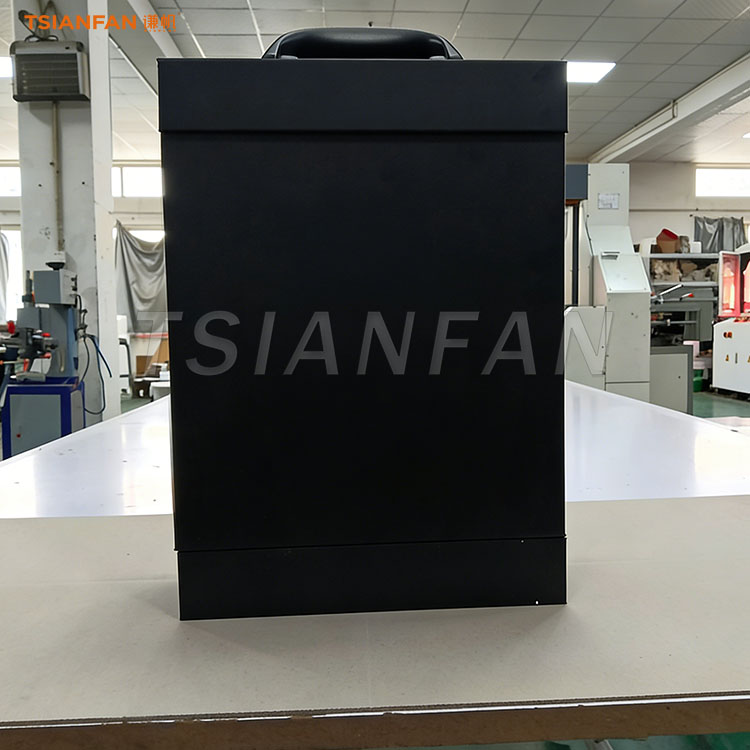
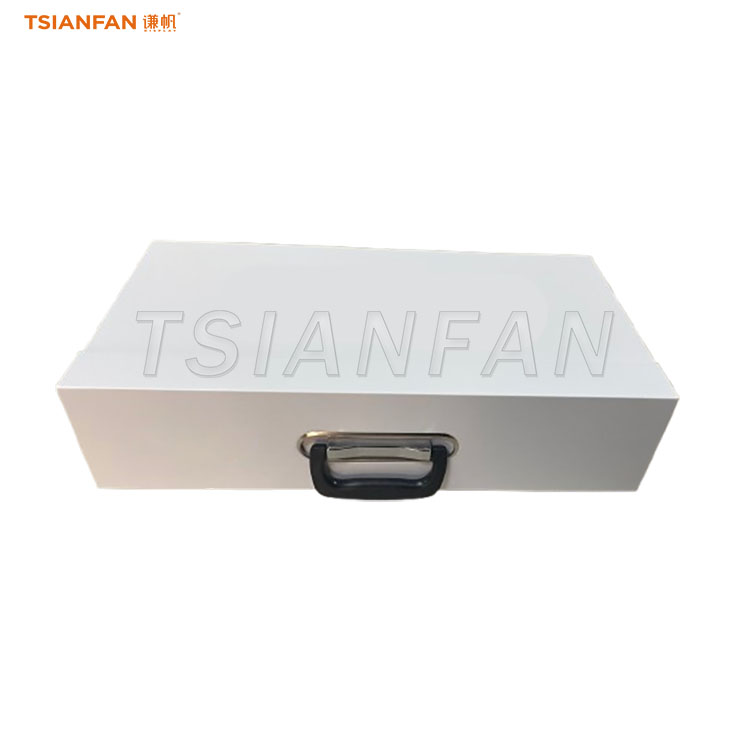
Recommended Product Highlights
The following products are frequently selected in similar sourcing scenarios.
Inventory Turns and Display Density
For distributors looking to maximize inventory turns, the density of display units can greatly impact sales. Here are some practical guidelines to consider:
- Average Turnover Time: Aim for a turnover time that allows you to refresh displays every few months.
- Optimal Display Density: Ensure each unit has enough space to showcase multiple samples without overcrowding. This prevents customers from feeling overwhelmed and ensures they can easily find what they need.
Example: Distributor A
Distributor A implemented a higher display density in their showroom, leading to a significant increase in SKU turns. By optimizing the number of samples per unit, they were able to refresh displays more frequently and attract more customers.
MOQ Discussions and Procurement Advice
Understanding minimum order quantities (MOQs) is crucial for efficient procurement:
- MOQ Flexibility: Seek out suppliers with flexible MOQ options to accommodate both large orders and smaller custom projects.
- Sample Requests: Be prepared to pay a sample fee, which can be refunded upon placing an order. This ensures that you get the right fit before committing to larger quantities.
Procurement Example: Wholesaler B
Wholesaler B found a supplier with a moderate MOQ and offered sample fees, allowing them to try different packaging options before placing larger orders. This approach helped them find the best solution without incurring significant upfront costs.
Quality Control (QC) Checkpoints
Ensuring high-quality products is essential for maintaining customer satisfaction:
- Loading Test Records: Partner with suppliers who conduct load tests to verify the structural integrity of their packaging systems.
- Surface Finish QC: Verify that surfaces are smooth and free from defects, ensuring long-lasting protection for your stone samples.
Quality Control Example: Supplier C
Supplier C provided detailed load test records and surface finish QC reports, allowing Distributor D to confidently choose their packaging systems. This commitment to quality helped maintain a high level of customer satisfaction.
Conclusion
Selecting the right stone sample packaging systems is crucial for both protection and presentation in your showroom or distribution network. By understanding sizing standards, customization options, inventory turns, MOQ discussions, and quality control checkpoints, you can make informed decisions that enhance customer experiences and drive sales.
From there Steps
- Contact us for custom quotes and samples.
- Explore our product offerings at Cardboard Sample Tiles Display Box.
- Check out other related products such as Sample Tiles Cardboard Display Box Manufacturer.
Evidence & Sources
This article references the following industry sources and market materials:
- cardboard sample tiles display box (WP Product / Cardboard Stone Sample Box,Cardboard Stone Display Box,Stone Box | 2026-04-09T14:42:03)
- Custom branded tile sample presentation boxes for showrooms (WP Product / Cardboard Stone Sample Box,Cardboard Stone Display Box,Stone Box | 2026-02-03T16:02:30)
- custom stone sample box manufacturer for showrooms (WP Product / Cardboard Stone Sample Box,Cardboard Stone Display Box,Stone Box | 2025-12-29T14:39:15)
- sample tiles cardboard display box manufacturer (WP Product / Cardboard Stone Sample Box,Cardboard Stone Display Box,Stone Box | 2025-10-08T16:16:29)
- Ceramic tiles packaging boxes wholesale (WP Product / Cardboard Stone Sample Box,Cardboard Stone Display Box,Stone Box | 2025-09-10T14:44:30)
This content is for informational purposes only and does not constitute legal, financial, or procurement advice.